Methodological Foundations

Understanding Systematic Approaches to Movement Development

Framework for Understanding Movement

Movement development requires a systematic approach grounded in understanding how the human body functions. The methodological framework presented here describes how different systems—skeletal, muscular, and neural—work together to create coordinated, efficient movement.

This framework emphasizes observation, assessment, and progressive development rather than quick fixes or external impositions of movement patterns.

Core Methodological Principles

Assessment

Understanding current movement patterns, limitations, and capabilities provides the foundation for targeted development. Assessment examines how an individual currently moves and identifies areas where movement quality could be enhanced.

Progressive Development

Movement improvement occurs through systematic, progressive practice. This principle recognizes that change happens gradually through consistent, thoughtful engagement rather than sudden transformation.

Integrated Systems

Movement is not isolated muscular action but rather the coordinated function of multiple systems working together. Effective methodology addresses skeletal alignment, muscular function, and neural control simultaneously.

Movement Assessment Framework

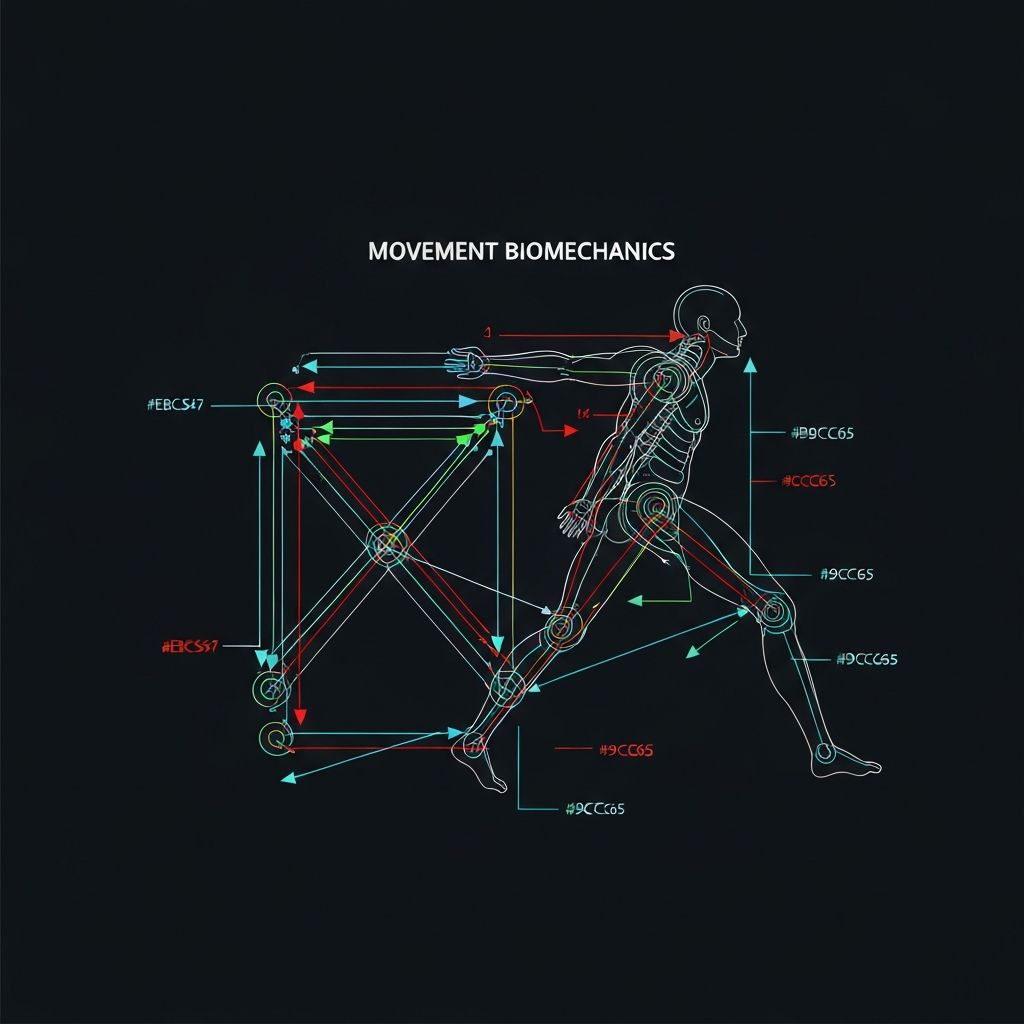
Biomechanics assessment framework

Observational Analysis

Assessment begins with careful observation of how movement occurs. This includes examining static posture, dynamic movement patterns, ranges of motion available at various joints, and how different body segments coordinate during movement.

Observational assessment identifies patterns—both efficient and inefficient—that form the basis for targeted development work.

Stages of Movement Development

Foundation Stage

The foundation stage establishes basic movement competency and proper static positioning. Work focuses on understanding neutral posture, basic joint mobility, and foundational movement patterns like stepping and reaching.

Integration Stage

As foundational competency develops, movement work becomes increasingly complex. The integration stage involves combining different movement components into coordinated patterns and introducing progressive resistance or challenge.

Refinement Stage

Refinement involves optimizing movement quality, improving efficiency, and developing movement control in varied contexts. Work becomes more sophisticated, addressing subtle movement details and adaptation to different demands.

Role of Corrective Exercise

Corrective exercise serves as a tool for addressing identified movement limitations and improving movement patterns. Rather than prescriptive protocols, corrective exercise represents an educational process of developing better movement habits.

Effective corrective exercise includes understanding WHY certain patterns exist, identifying contributing factors, and systematically developing improved movement strategies through targeted practice and progressive challenge.

Corrective exercise methods

Key Methodological Concepts

Proprioceptive Awareness

Proprioception—the sensory perception of body position and movement—is central to movement development. Improving proprioceptive awareness allows for more precise control and better movement quality.

Muscular Balance

Muscular balance refers to the appropriate strength and flexibility relationships among muscle groups. Imbalances can result from activity patterns, posture, or developmental factors. Addressing imbalances involves targeted strength work and flexibility development.

Neural Adaptation

The nervous system adapts to consistent practice. Progressive practice patterns create neural adaptations that improve movement control, efficiency, and capacity. This adaptation occurs gradually and requires consistent engagement.

Functional Integration

Movement development aims toward integration—the ability to apply improved movement patterns in varied contexts and combined movements. True development moves beyond isolated exercises toward functional, integrated movement competency.

Methodological Context

This methodology section describes general principles and frameworks for understanding movement development. The information is educational in nature. Individual movement development should be informed by personal assessment, research, and consideration of individual circumstances and needs.